
Marc Lachaise, F4E Director, visits LIPAc in Rokkasho

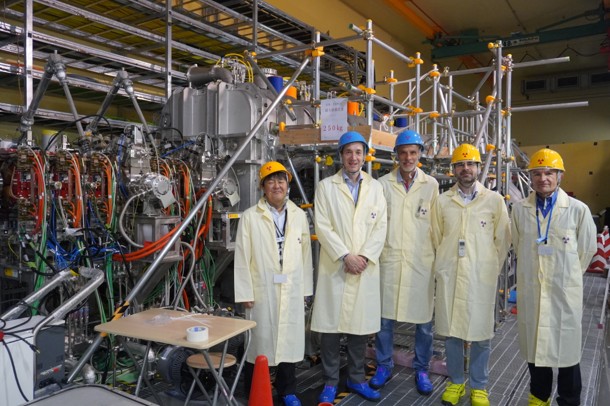
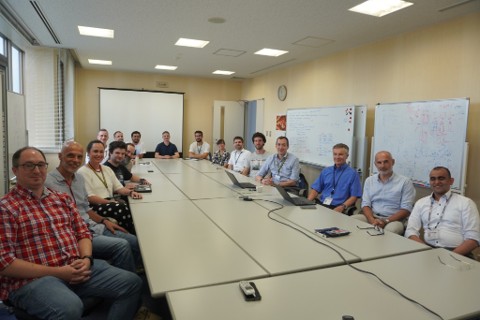
Marc Lachaise with QST and IFMIF/EVEDA representatives during the visit to the LIPAc accelerator vault.

On 22 July 2026, Marc Lachaise, Director of Fusion for Energy (F4E), visited the IFMIF/EVEDA Project at QST, Rokkasho. The visit provided an opportunity for discussions with QST management, the Japanese and European teams involved in LIPAc. They discussed its progress, the priorities for the forthcoming commissioning phases, its contribution to IFMIF-DONES and future fusion neutron sources.

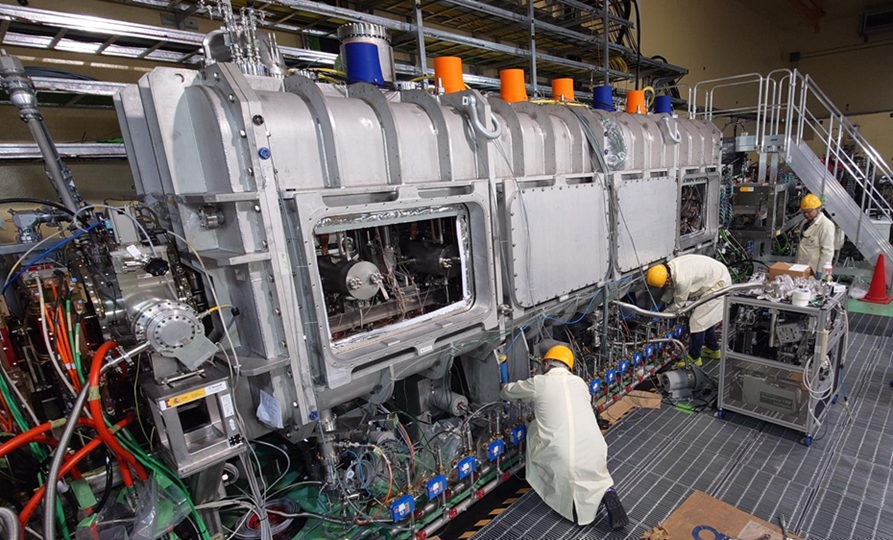
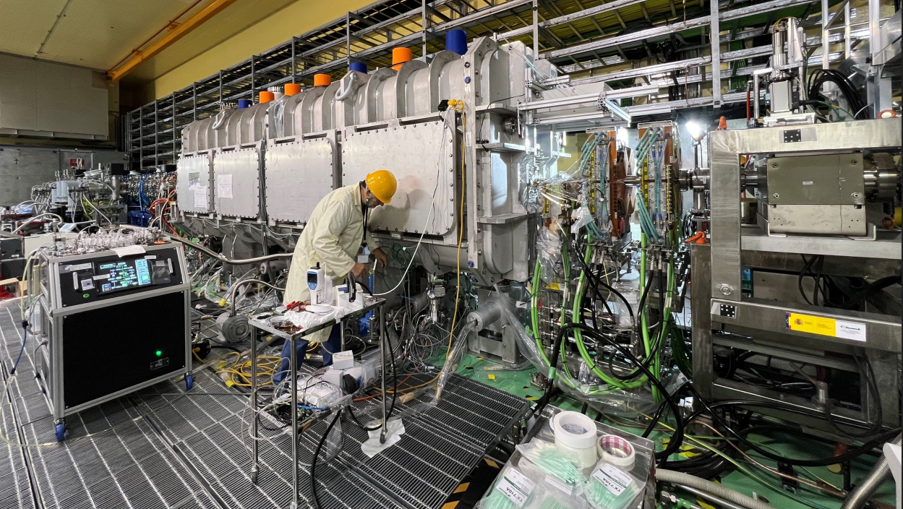
During a tour of the accelerator vault, Marc Lachaise saw the superconducting linac and the ongoing preparations for the next major commissioning milestones. His exchanges with team members addressed both the achievements to date and the technical challenges involved in bringing this unique high-current accelerator into operation.

“I would like to praise the work and contribution of the EU team in close collaboration with QST. During my visit and throughout the exchanges with members of the team, I was able to witness the remarkable progress of LIPAc. Thanks to all of you the link between LIPAc and IFMIF-DONES is stronger, connecting Europe and Japan. I would like to congratulate both parties for the exemplary collaboration at the service of the fusion community,” stated Marc Lachaise.

The visit highlighted the firm commitment of all contributors and the value of the long-standing EU-Japan partnership in advancing accelerator technologies for fusion materials research.

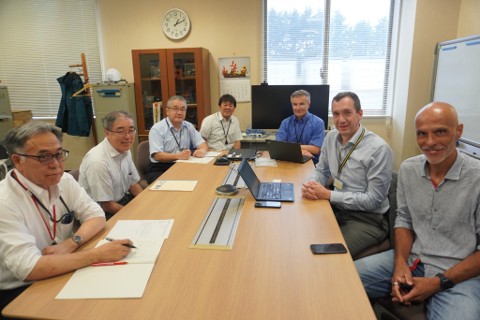
Discussions with QST management on LIPAc’s progress, commissioning priorities and future perspectives.
Exchange with members of the European teams contributing to LIPAc commissioning.

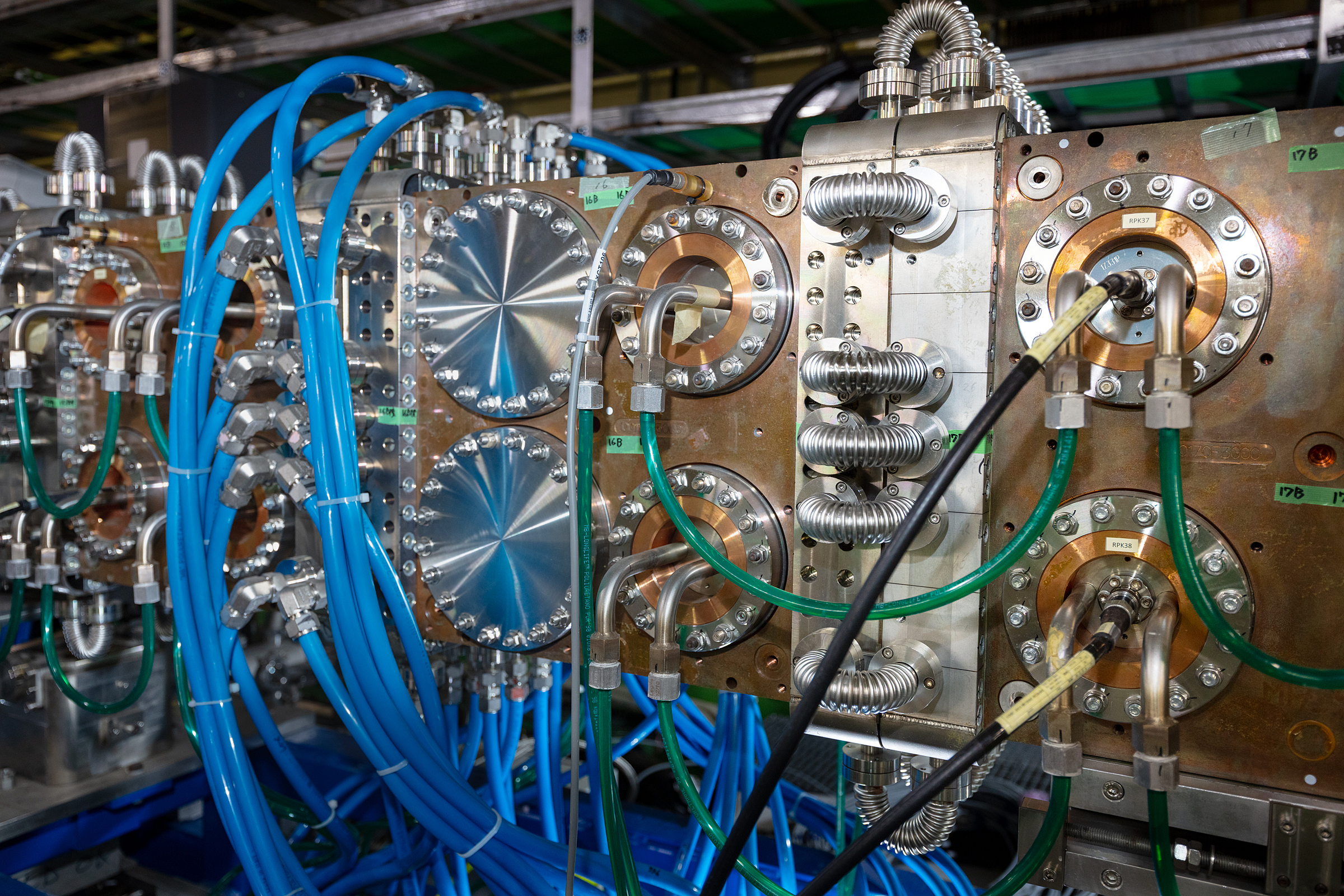
Start of warm conditioning of the LIPAc SRF Linac

On 10 June 2026, just after 14:00, the IFMIF/EVEDA Project reached an important milestone with the start of warm conditioning of the LIPAc Superconducting Radio-Frequency Linac, now integrated into the beam line.

Warm conditioning is an essential preparation step performed at room temperature before operation at cryogenic temperature. During this phase, radio-frequency power is progressively injected into the RF power couplers, while the superconducting cavities are kept detuned. This process allows the couplers and associated RF systems to be gradually brought to their operating conditions under carefully monitoring. This activity began in line with the accelerated schedule presented at Project Committee #37 and marks the first RF injection into the one of the eight power couplers of the integrated SRF Linac. The initial operation progressed well, with this first coupler under conditioning behaving as expected.

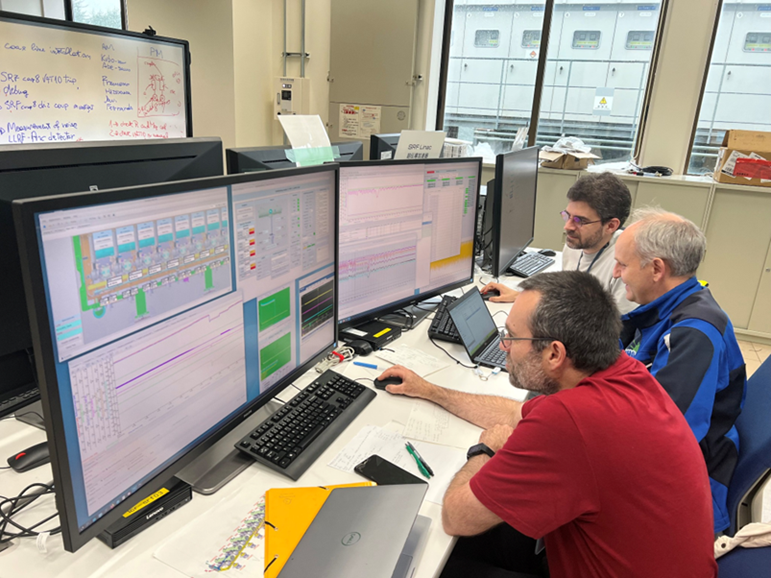
During the first RF injections, the team monitored the cavity and coupler parameters through dedicated operator interfaces, including the RF power delivered to the coupler, the reflected power, the vacuum response and the photomultiplier signals. The observed vacuum activity and light signals are consistent with the expected conditioning behaviour, in particular considering that the couplers had been stored under nitrogen for several years after their initial conditioning before assembly.

SRF Linac area being prepared for warm conditioning
The SRF Linac and associated systems were prepared for the start of warm conditioning, following intensive coordination between the Project Team, CEA and QST teams.

Following these encouraging first results, the conditioning campaign is now continuing in automatic mode during the nights, with continuous monitoring provided by the QST contractor. This allows the conditioning process to progress efficiently while maintaining the required level of operational supervision.

The successful start of warm conditioning represents a significant step forward in the preparation of the forthcoming beam commissioning activities and confirms the strong progress being made by the IFMIF/EVEDA Project team.

LIPAc reaches full accelerator configuration

A decisive step towards record light hadron beam performance and IFMIF-DONES validation

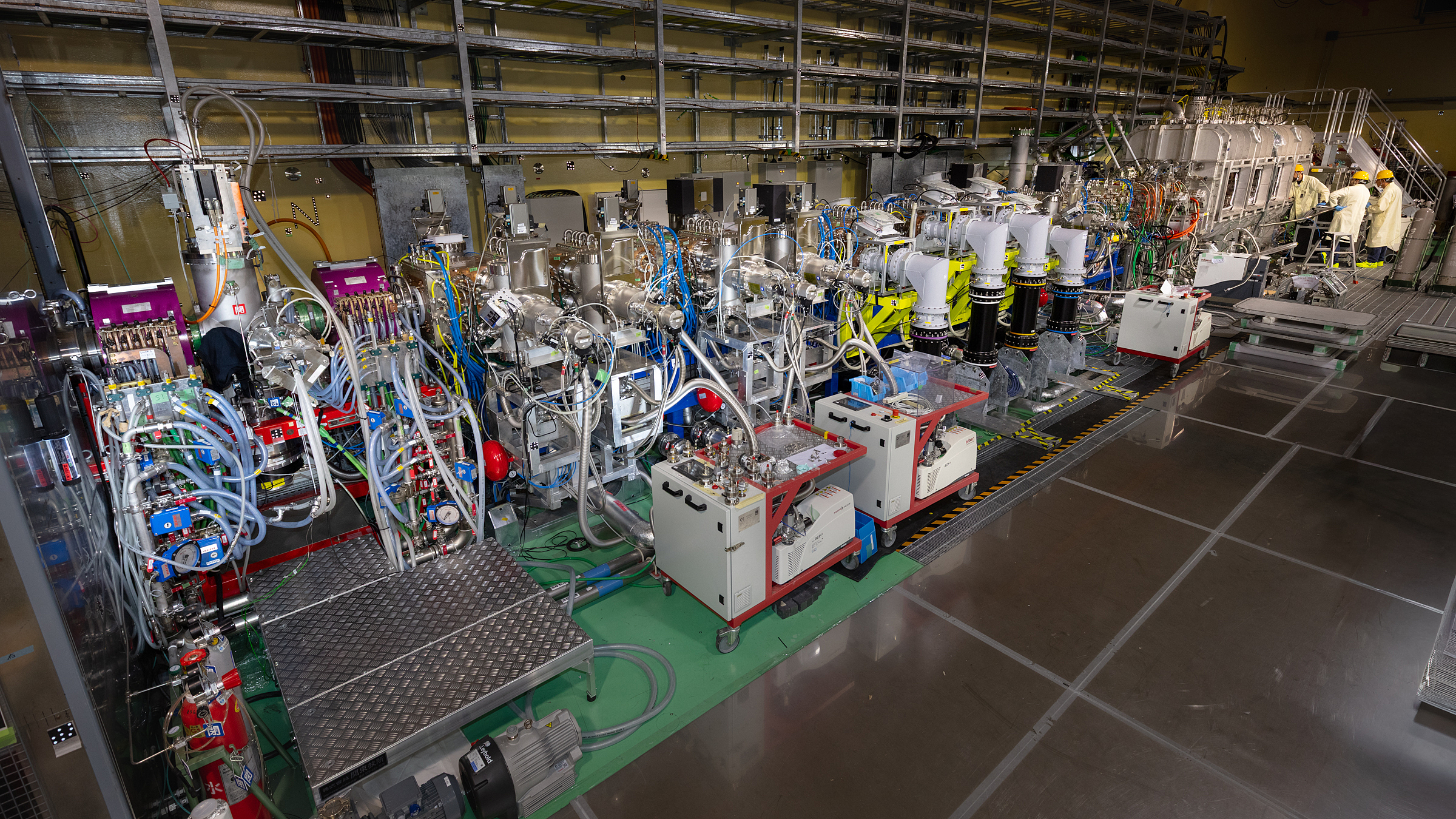
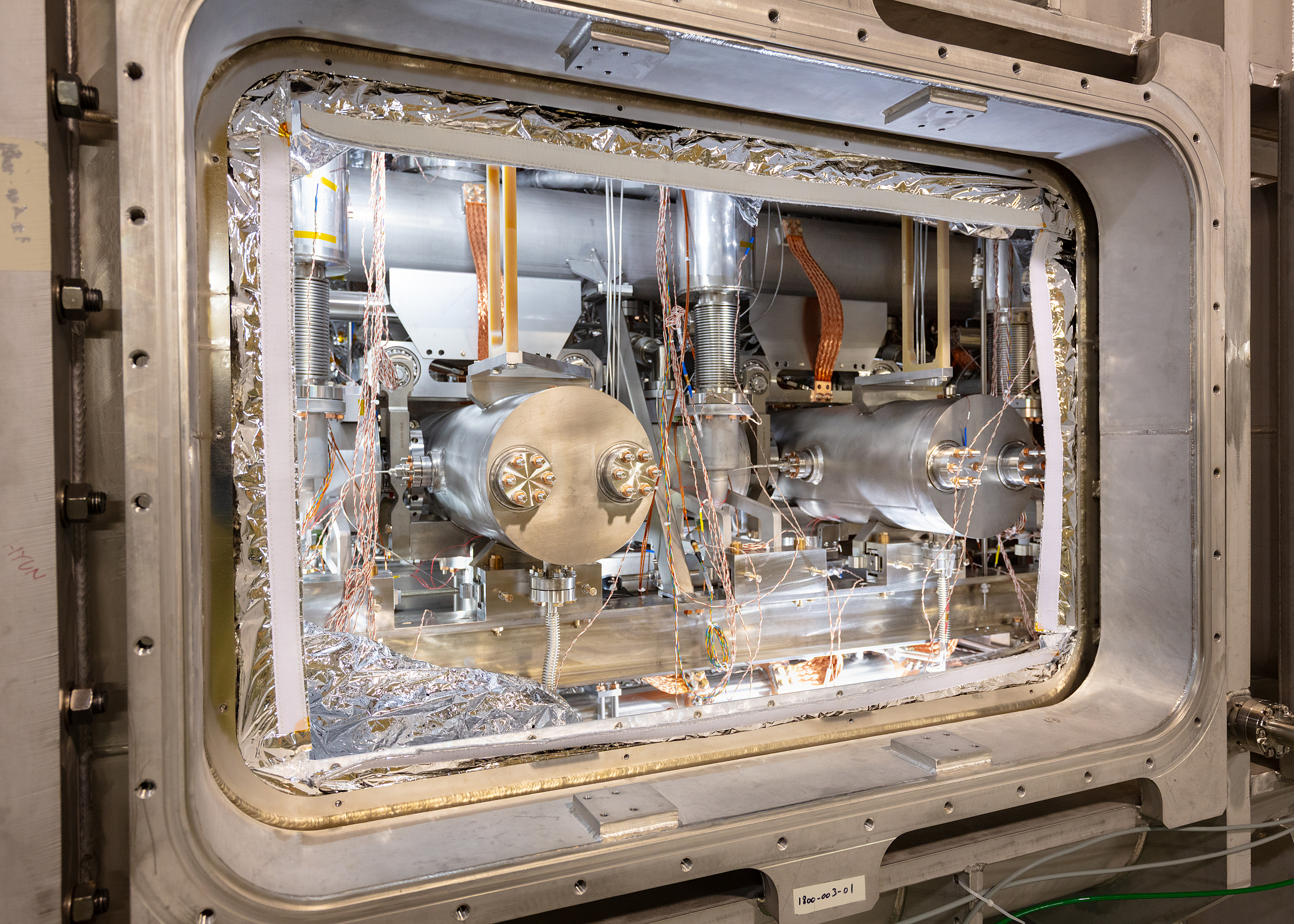
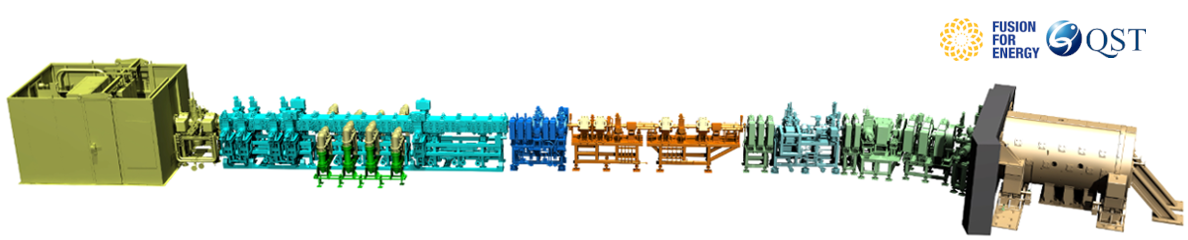
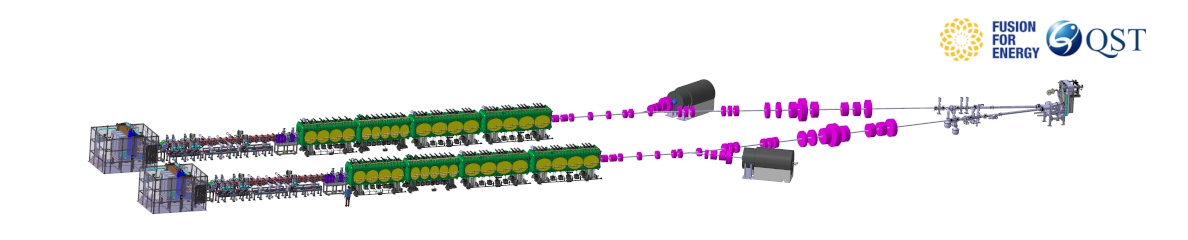
Complete LIPAc accelerator beam line with Project Team members working on the cryomodule

Europe and Japan have brought LIPAc to its full accelerator configuration in Rokkasho, Japan.
This milestone marks a decisive step for the IFMIF/EVEDA project and the future of fusion materials testing. With all major subsystems now installed, the 36-meters accelerator is ready to enter its next commissioning phase.

At its core, the SRF section aims at accelerating particles up to 9 MeV at 125 mA in continuous-wave operation. This highly demanding regime is essential to reduce the main technical risks for future fusion neutron source facilities such as IFMIF-DONES and A-FNS.

With assembly completed, the teams will now proceed with progressive commissioning, including RF conditioning, cryogenic operation and integrated tests. Warm conditioning is planned to start in June 2026 and beam operations are planned to start by March 2027, first with protons and then with deuterons. LIPAc now enters a decisive phase to turn years of European-Japanese collaboration into demonstrated accelerator capability.

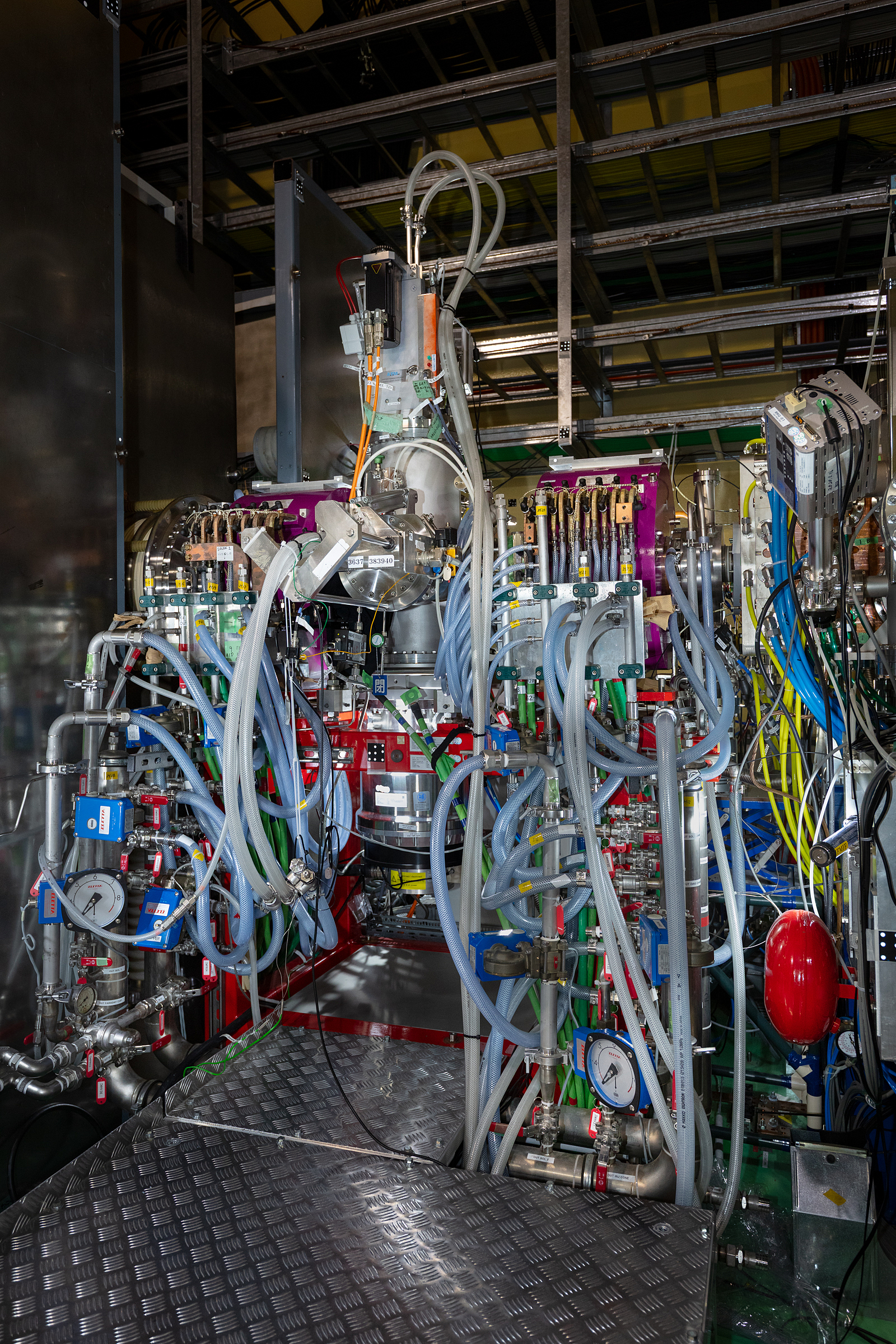
HEBT
Zoom on the RFQ
LEBT
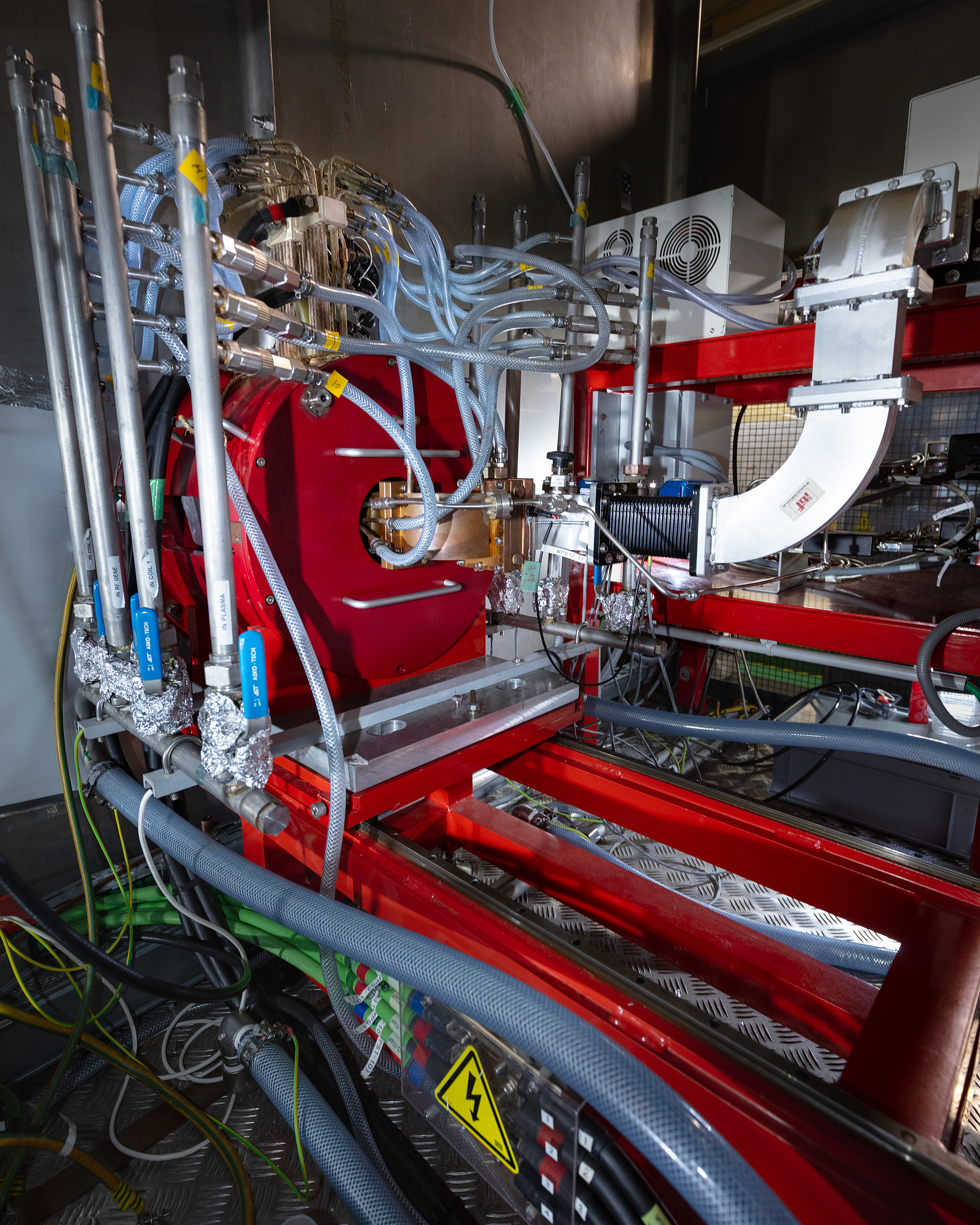
Injector plasma chamber, coils and RF guides
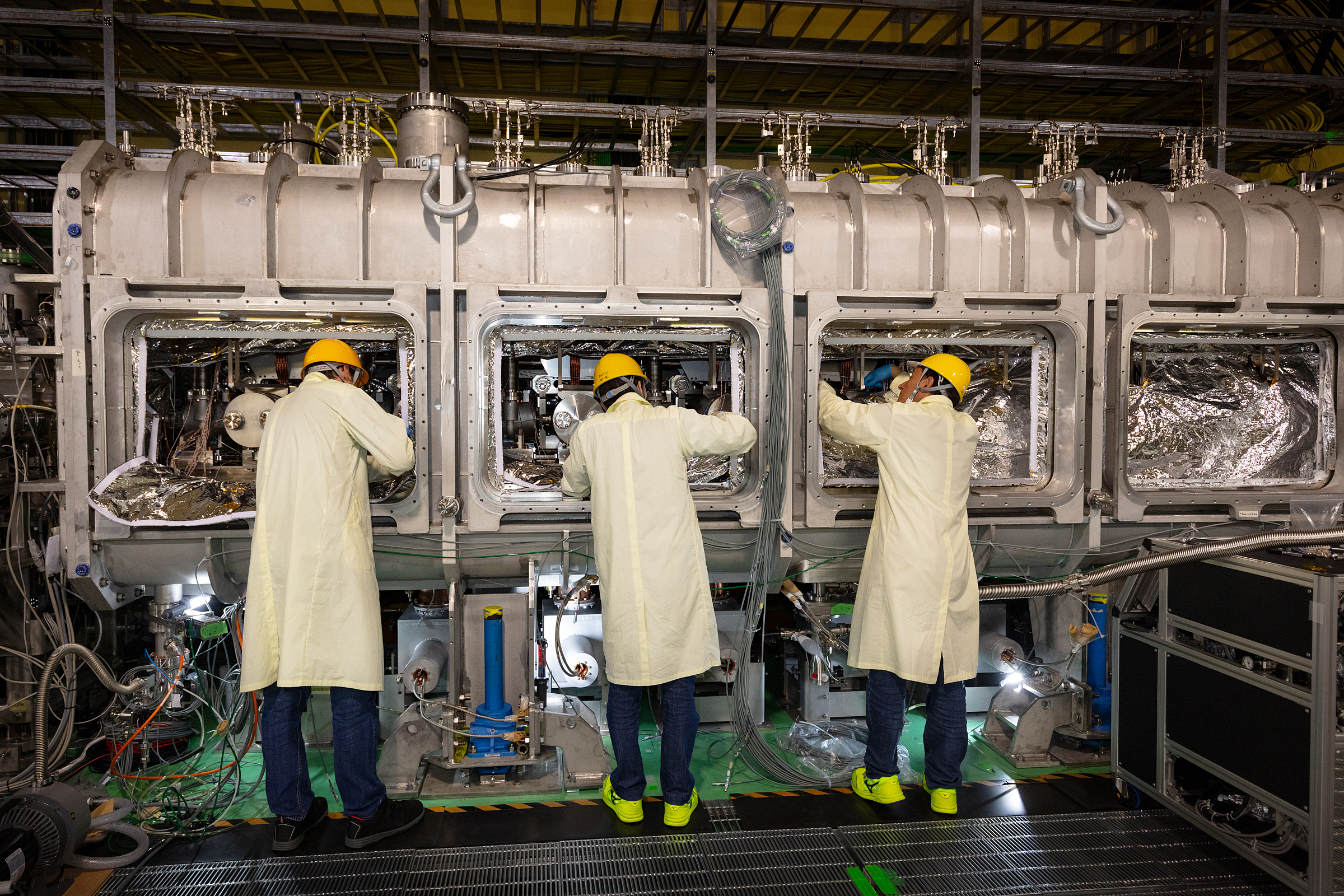
Operation on-going on the SRF system
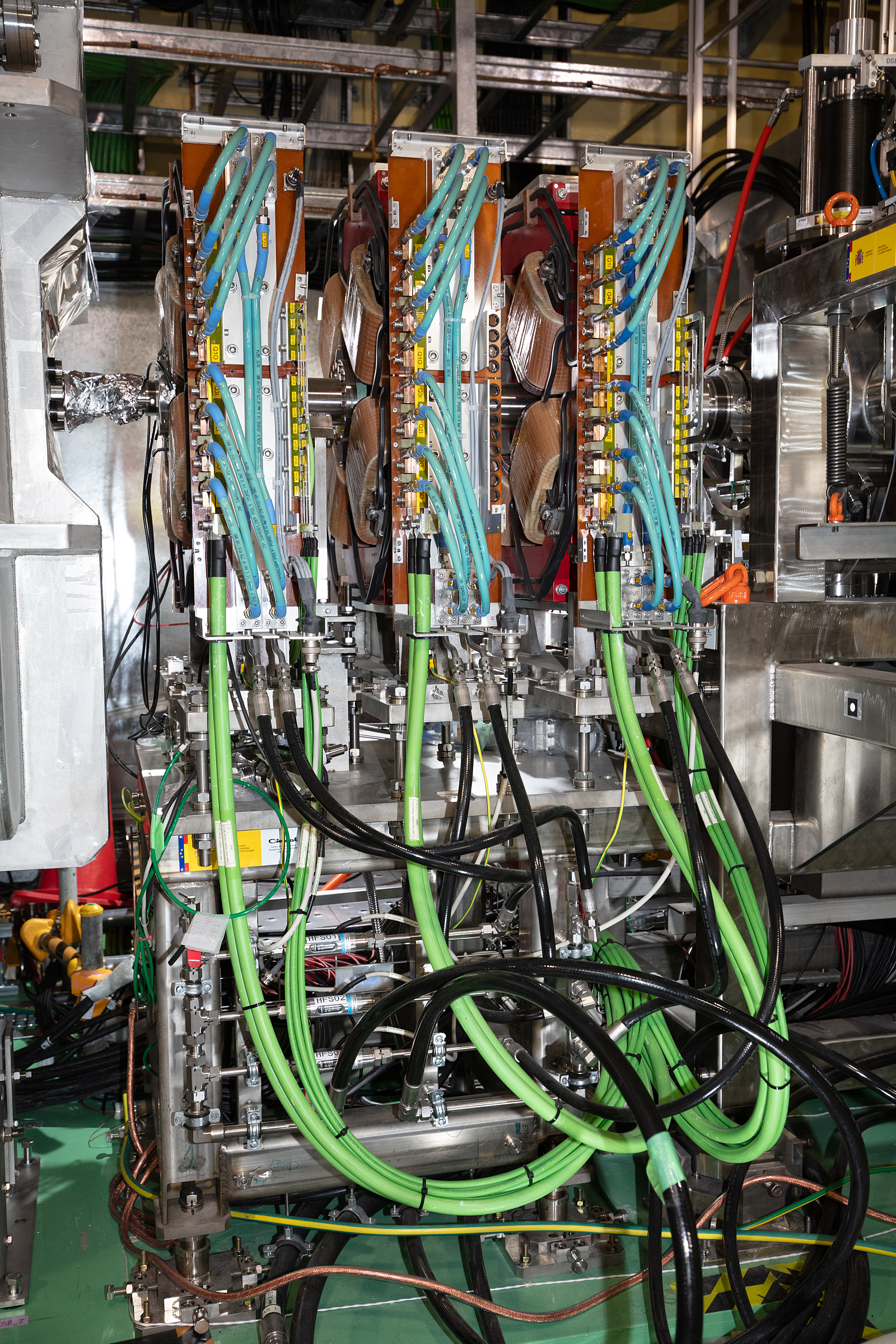
Focus on SRF cavities

IFMIF/EVEDA Project Committee #33

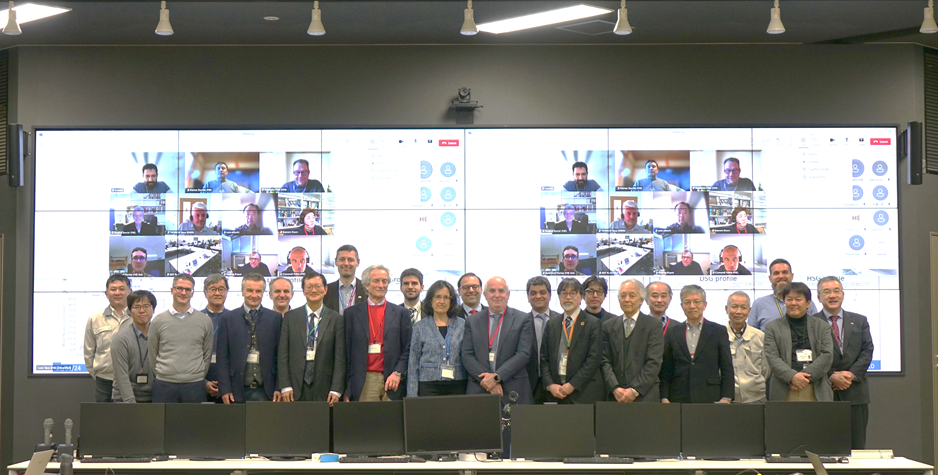
The 33rd Project Committee (PC#33) was held on the 21st and 22nd of March 2024 at the QST Rokkasho Institute for Fusion Energy. For the first time since their appointment last year, all the EU PC members could attend the meeting in person, giving them the opportunity to visit the site and see the accelerator installation in its phase B+ configuration.
The first day was dedicated to the LIPAc progress with many highly technical presentations. The main topics highlighted were as follows:
• The outcomes of beam operations during the completion of phase B+ stage 2 and the start of the stage 3 toward high duty cycles,
• The finalization of the refurbishment of some SRF Linac components, in particular the completion of the repair of the last solenoid, which will enable resuming soon the assembly in the clean room,
• The status of the RFQ couplers conditioning and its current limitation,
• The update of the LIPAc commissioning plan to give priority to the installation of the SRF Linac in order to limit impact on the overall project schedule.
On the second day, the Fusion Neutron Source Design activities were presented by each Home Team showing especially the collaboration in the use of LIPAc as a testing facility for many new sensors and diagnostics. The steady progress was also presented for the enhancements activities with an upgraded injector, a new Radio-Frequency Power System based on Solid-State Power Amplifier and the upgraded Machine Protection System. The day finished with the PC members reviewing and approving the Record of Conclusions acknowledging the progress of the work.

PC#33 participants both in person and remotely

IFMIF/EVEDA Project Committee #32

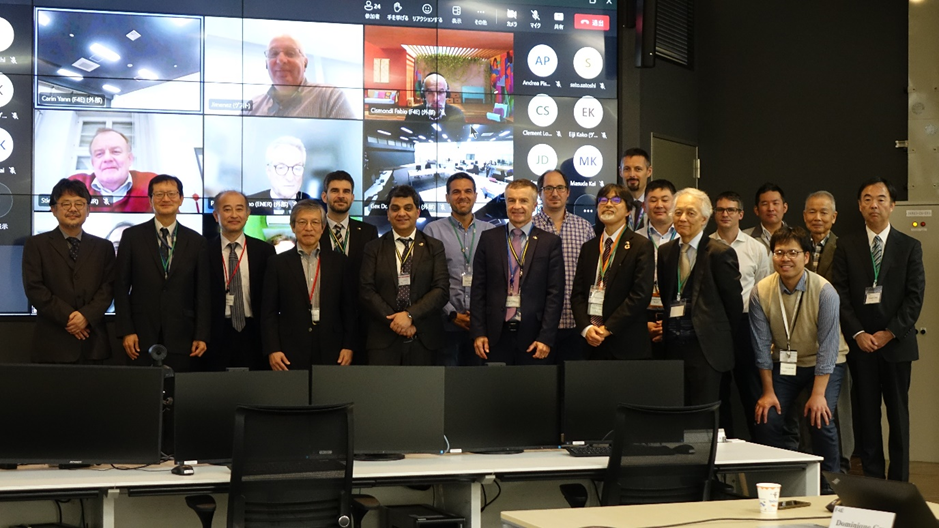
The 32nd Project Committee (PC#32) of the IFMIF/EVEDA project was held on October 24-25, 2023 at the QST Rokkasho Fusion Institute and remotely for the newly appointed EU PC members.

During the first day, the presentations gave the status and outlook of the project to the PC members as well as to about 20 experts present in person, and remotely, from Japan and Europe.

The following achievements were highlighted by the PC#32:

  • The start of the beam operation phase B+ stage 2 on August 1, 2023 after the installation of the repaired circulator and the modified RFQ couplers;
  • The implementation of the experimental programme reaching so far 113 mA current transported up to the Beam Dump at 0.1% duty cycle with good stability.
  • The repairs made to fix the manufacturing quality issues with some of the SRF Linac components;
  • The sound progress of the enhancement activities specially the start of the prototyping of the RFQ RFPS based on solid-state technology;
  • The significant progress of the Fusion Neutron Source Design activities both on the Lithium Facility and on the Engineering Design, in particular taking advantage of the LIPAc operation to test new diagnostics.

On the second day, the PC members drew up and approved the Record of Conclusions, making recommendations, and acknowledging the accomplished work.

Project Committee #32 participants both in person and remotely

Broader Approach Steering Committee #31

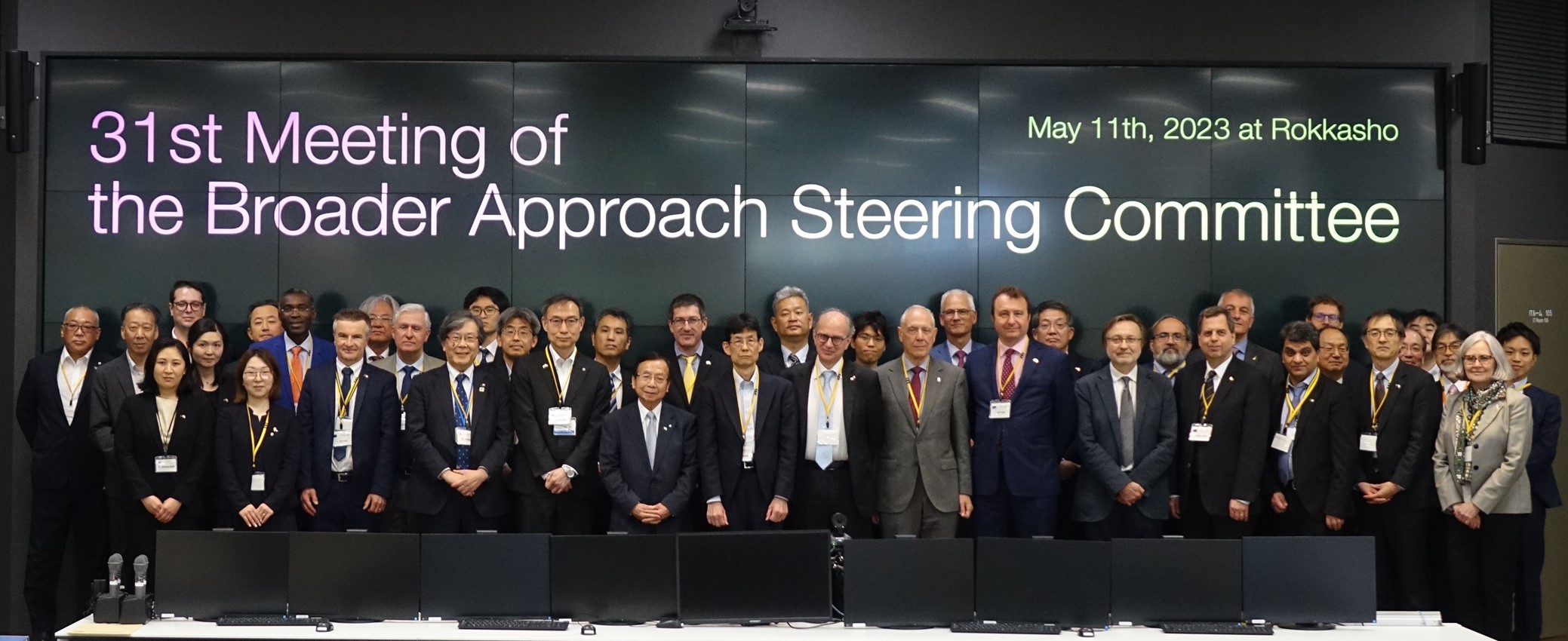
The 31st Broader Approach Steering Committee (BASC#31) was held on the 11th of May 2023 at the QST Rokkasho Fusion Institute. Many members and invited participants of the BASC#31 attended this meeting in person. It gave them the possibility to visit the accelerator facility, its associated control rooms, and the clean room facility for the LIPAc SRF Linac assembly.
The organisation of the BASC#31 in Rokkasho provided the opportunity to highlight the progress of the IFMIF/EVEDA project. The latest achievements with respect to both LIPAc and Fusion Neutron Source Design activities were presented by the Project Leader. Regarding the LIPAc project, the start of the injector Continuous Wave campaign in order to identify the best plasma electrode, the repair of the circulator and its delivery onsite, and the improvement of the RFQ couplers thermal behaviour with new inner conductors enabled to propose a new schedule to resume beam operation in a timely manner. As for the Fusion Neutron Source activities, the progress of both experimental and simulation works was pointed out on the Lithium Facility and on the Engineering Design.
Once the phase B+ is completed (high duty cycle 125-mA deuteron beam at 5 MeV), beam operation will be interrupted for a long period to proceed with the SRF Linac installation. This last equipment will enable to reach 9 MeV at high duty cycle. Meanwhile, the improvement of the maintenance and the enhancements of the injector, RFPS and Control System aim to increase the availability of the LIPAc in the future operation campaigns.

31st Meeting of the Broader Approach Steering Committee

LIPAc Highlights – April 2023

The injector CW campaign was interrupted during a few weeks to fix two technical issues which appeared in a row just after resuming this activity at the beginning of 2023. For the first one, a fuse and few transistors were found damaged in the power supply of the second source coil. Procurement of new components was relatively fast and allowed fixing the power supply in a timely manner. The second difficulty came immediately after resuming injector operations and was linked to the power supply of the magnetron. On-site investigations did not allow to determine the reason of this failure. The power supply was replaced by a spare one from same manufacturer with different remote control interfaces. Yet few adjustments were needed to accommodate a different communication protocol and physical interfaces. The control system group worked closely with the injector group to update the local control system. Tests were performed in manual and remote modes to confirm signal synchronization with timing system, interlocks and operability from injector OPI (Operator Interface). Eventually, the injector operations with deuteron beam resumed on 29 March with the 11mm PE (plasma electrode). While plasma conditioning is organized during nights, beam extractions is performed during evening shifts and reached 150 mA extracted current at 100% DC (duty cycle) in the last days. Emittance measurements are performed at 5% DC for different beam extraction conditions. The objective is to gather enough data to compare results with the ones of previous injector campaign in 2022 using same PE diameter.

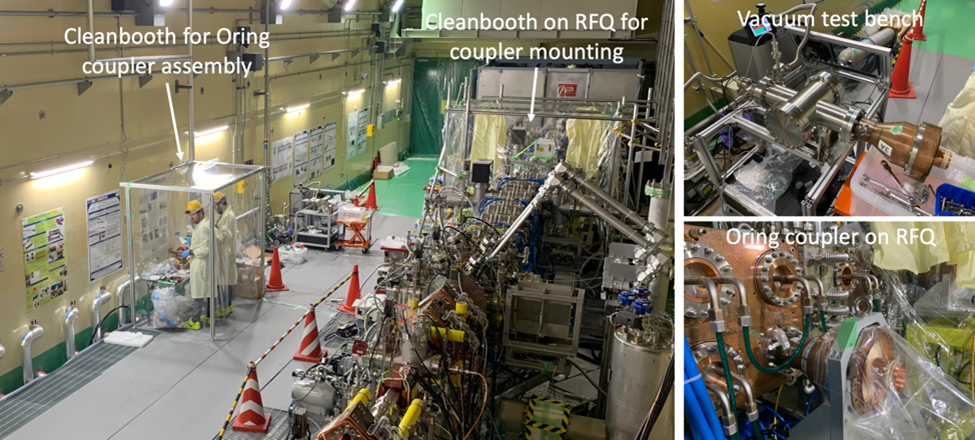
The main reason preventing injector operations during the daytime is related to RFQ activities. Indeed, the assembly of the Oring couplers was performed in a cleanbooth mounted in the vault. After each assembly, the coupler was mounted on a local vacuum chamber next to the cleanbooth to perform vacuum leak test. Though the coupler assembly procedure was well detailed, the percentage of successful leak tests was rather low for the first assemblies. A number of adjustments were introduced in the assembly sequence in order to obtain vacuum tight assemblies. Once validated on the vacuum test bench, each Oring coupler was mounted on the RFQ. Special care was given to the cleanliness aspects with the use of a large cleanbooth installed on both sides of the RFQ and able to host 2 operators. A smaller cleanbooth was installed in the first one around the RFQ port on which was mounted the Oring coupler. After completing the installation of the 8 Oring couplers, vacuum was pulled in the RFQ for a global leak test. After tightening further few bolts, the RFQ vacuum leak test was validated. The RFQ was brought back to atmospheric pressure to allow the assembly of the coaxial lines, which should start just after removing all the scaffoldings used for coupler assembly and also after reconnection of water piping and cables on the couplers.

Assembly, testing and mounting of Oring couplers on the RFQ

Meanwhile, the conditioning of the first pair of brazed couplers on RFQ RF chain 4A was terminated in March. It reached 96.3% duty cycle at 196 kW but with 130 kW of reflected power. While the first brazed coupler can be considered as fully conditioned, the second coupler was not exposed to full RF power and its conditioning should be completed later. The HPTB (High-Power Test Bench) was dismounted last month to allow activities on the MEBT SSPA and remounting of the coaxial lines in view of the LIPAc beam operations.

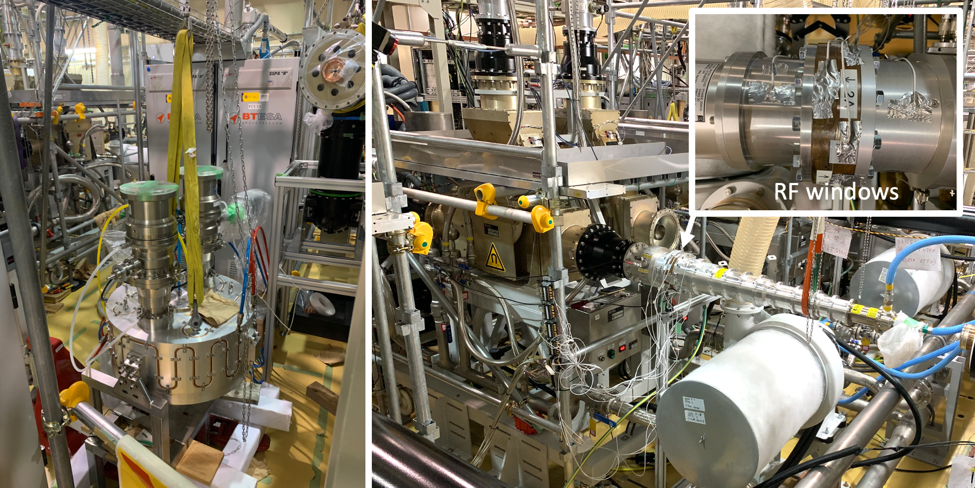
Another RF test bench was mounted on the RFQ RF chain 3B to condition the spare ceramic disks of the Oring couplers. A first ceramic disk was mounted and conditioned up to 150kW at 55% DC, but the test was put on hold as temperatures were reaching 86°C on the RF window flanges. A second ceramic disk was mounted for comparison and is under testing.

Dismounting of the High-Power Test Bench (left)
Conditioning of spare ceramic for Oring couplers on RFQ RF chain 3B (right)

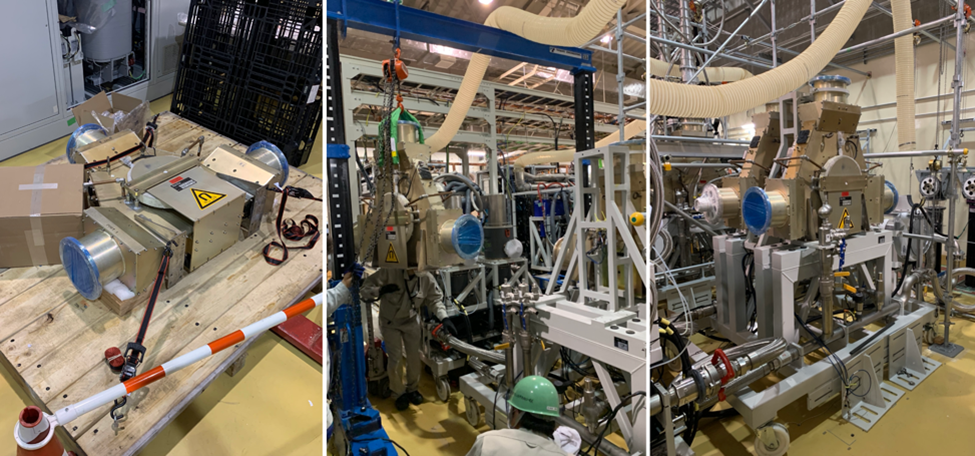
After their delivery and unpacking in Rokkasho BA site, the circulators 1A and 1B have been mounted on the RFQ RF module #1. Besides the heavy components and the limited space between RF modules and control cubicles, the detailed procedure prepared in advance allowed a smooth assembly operation. A water pressure test was performed after reconnection of water piping and get successful after fixing a few leaks. Measurements of RF characteristics for each circulator were performed successfully at different temperatures. The position of the circulators was adjusted during an alignment campaign with laser tracker. Before connecting the circulators to the RFQ with coaxial lines, a last RF power test will be performed by mounting a RF load at the output of each circulator.

Unpacking and installation of circulator 1B

LIPAc Technical Meeting 15

The 15th LIPAc Technical Meeting (LTM15) was held remotely on February 16 2023, to share a general overview of the LIPAc Unit present and future activities.

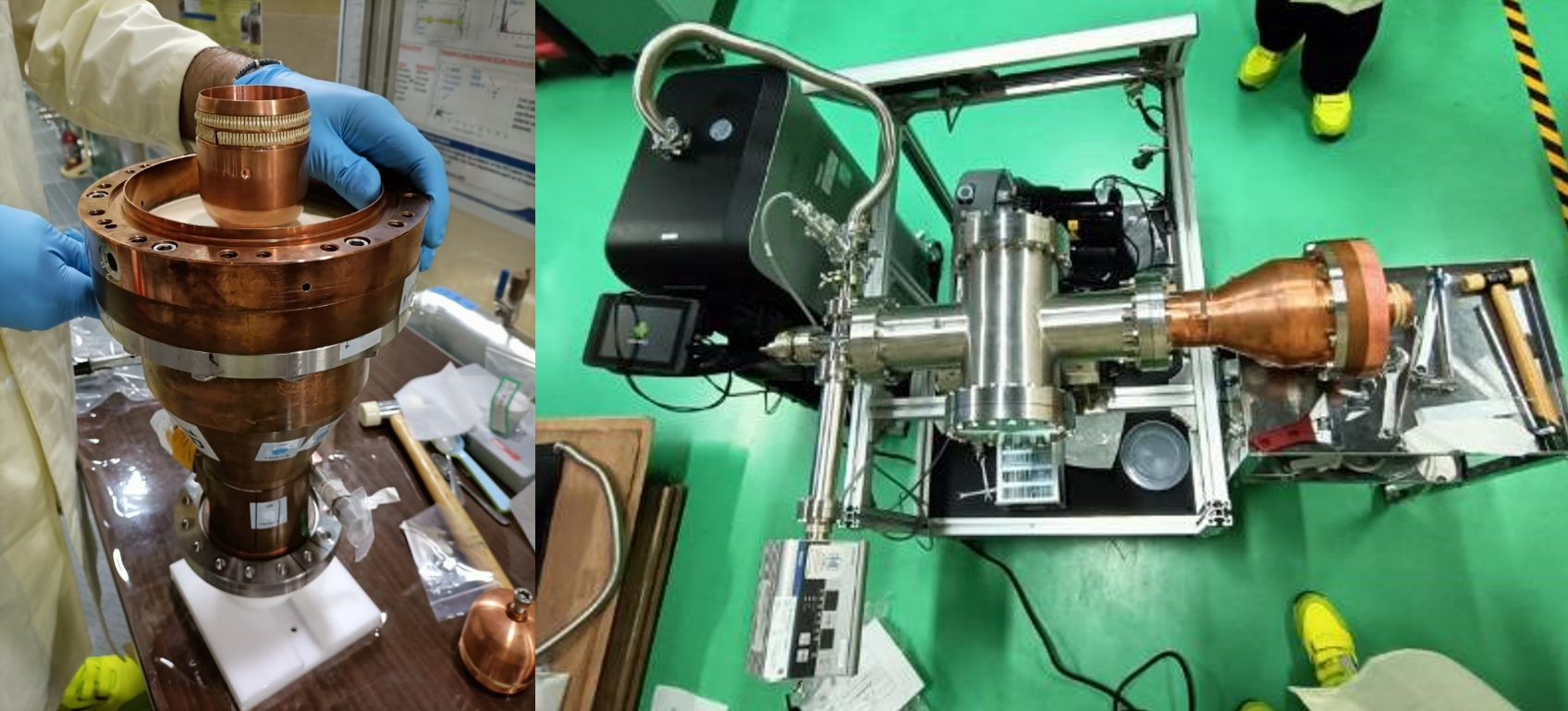
In the first session about the LIPAc status and commissioning plan, the Project Leader presented the progress of LIPAc with respect to the injector continuous wave campaign, the circulator 1B repair, and the couplers strategy (O-ring couplers are used, with an enhanced cooling capability to reduce the temperature at the inner conductor coupling part, see photo below) in order to resume operation in a timely manner. The SRF Linac assembly, the maintenance strategy and the commissioning objectives were also addressed.

The significanceof the LIPAc contributions to the preparation DONES and A-FNS was pointed out, in addition to the qualification of the accelerator concept and components. Other presentations and discussions included the revised experimental plan and the RFQ power couplers activities, on the critical path to restart beam operation.

The second session was about the LIPAc design enhancement. Regarding the injector, the scope of its upgrades has been updated based on the maintenance and the operational feedback in order to optimize maintainability and operability. As for the Radio-Frequency Power Systems, its maintenance aims to improve the system availability, while a prototype Solid State Power Amplifier is under design for its planned upgrade. Lastly, the Machine Protection System upgrade of the Control Systems is progressing well as its Preliminary Design Review was scheduled on the 28/29 of March 2023.

The Project Leader and LIPAc Unit Leader thanked all for the fruitful discussions and congratulated the team about the quantity and quality of work performed.

O-ring coupler assembly (left) and its vacuum test (right) prior to mount it to the RFQ

Fusion Neutron Source – Technical Meeting 1

The 1st Fusion Neutron Source Technical Meeting (FNS TM1) was held remotely on February 09, 2023, to share the status of the FNS Unit activities.

The first session was focused on the Lithium Target Facility activities (LF) that are the engineering validation activities in BA phase II (from 2020) aiming to perform additional R&D in order to improve the reliability of the individual systems from the viewpoints of long-term operation.

The progress of the construction of Li loop facilities were presented for both the 1:10 scale pilot plant (Japan) and the full-scale test loop (EU). The first experimental results of the erosion-corrosion of Target Assembly and ELTL (EVEDA Lithium Test Loop) material were discussed before being used to feed its modelling. The experimental setup for the study of the stabilization method of used/leaked Li including radioisotopes was completed and enabled the start of the experiments. Following the finalization of the Li fire experimental setup, the conclusion of the first experiments on Li fire risks identified the levels of humidity without ignition.

The second session was focused on the Engineering Design activities (ED) that are theactivities in BA phase II (from 2020) aiming to obtain relevant information for the design of an IFMIF-like Neutron Source concerning the safety reduction. Many modelling and experimental studies were presented. 

The possibility of storing the lithium after its stabilization was investigated within the tritium migration estimation. Experimental studies on a stabilization treatment are currently underway.

The erosion-deposition modelling in the target system for FNS enabled the evaluation of the absorbed dose rate of the primary heat exchanger oil due to the activated erosion-corrosion products. The modelling activities are now focused on the corrosion.

In order to complement the accident analysis in safety, an environmental impact assessment was performed using the PUFF code developed to study the tritium atmospheric release from FNS facilities. Additionally, the first draft of failure mode analyses activities is expected to be available in June 2023 including references to the top-level safety regulations.

The irradiation campaigns of the candidate oils for the heat transfer fluid in the primary heat exchanger were performed with simulations in JA using the dibenzyl toluene properties and experiments in EU using hydrogenated terphenyls to investigate the behaviour at different gamma dose rates. As main results, a good stability under gamma irradiation has been found up to 13 MGy (dose expected in DONES after 40 years of nominal operation).

Evolution of EU oil candidate colour due to the gamma radiation at NAYADA facility (CIEMAT, Spain) up to 13 MGy

Current Status of LIPAc RF Couplers and Circulator in February 2023

The last IFMIF/EVEDA Project Committee recommended to resume LIPAc beam operations in a timely manner. For what concern the RFQ couplers, this recommendation resulted in the re-use of viton Oring solution for ceramic window sealing with improved cooling capacity while the ceramic-metal brazed couplers would be conditioned as much as possible in parallel.

Indeed, the design of the RFQ Oring coupler has been updated to improve its cooling capability. On vacuum side, an upgraded anchor is meant to ease the heat extraction from the internal conductor and the RF windows ceramic. A prototype was built and tested in Rokkasho, confirming its assembly procedure and vacuum tightness. On atmospheric side, flanges of the RF windows were machined to allow compressed air-cooling injection and extraction by 6 holes. The series of upgraded anchors and air flanges were delivered in Rokkasho beginning of February. The re-installation of the Oring couplers with upgraded elements on the RFQ is starting this week.

Upgraded anchor assembly test, thermal paste uniformity, baking and vacuum leak test

Meanwhile, an important effort was dedicated to the setup of the High-Power Test Bench (HPTB) in the RF area with the objective to condition the RFQ brazed couplers. The LIPAc building was not designed to host this kind of HPTB and the RF area was already occupied by many equipment. Resources from the different groups of the LIPAc Unit were involved to find solutions for the HPTB, finding adequate position, re-using existing components and adapting the RF system and control system to operate the HPTB in standalone. Careful conditioning of the first pair of brazed couplers started in Dcember 2022 and reached 96% Duty Cycle (DC) last week. The objective is to reach 100% DC in order to validate the design of this brazed couplers. The 3 other pairs will need to be conditioned as well to validate their manufacturing, presumably on a different test bench as the HPTB will be shortly dismounted.

High Power test bench for conditioning of RFQ brazed couplers

The circulator 1B was checked and repaired at the premises of the manufacturer (Ferrite Company owned by MEGA) in Gorham, near Portland, ME-USA. The Factory Acceptance Tests (FAT) were organized last week with the attendance of 3 LIPAc Unit experts. For the FAT, the circulators 1A and its twin unit 1B were mounted together in the same configuration as for LIPAc (see picture below). Electrical performance tests and water tightness tests were passed successfully. After reaching thermal stability, RF parameters were measured on circulator 1B to check the success of the repair. The measurements were repeated after removing circulator 1A, resulting in a strong mismatch that can be corrected applying adequate current to the coil. This series of measurements will be useful to setup the spare circulator which aims to have an interchangeable position between side A and B. Both circulators will be packed for shipment to be back in Rokkasho by end of March.

Test bench for the pair of circulators 1A/1B during FAT in Ferrite (Gorham, ME, USA)